Why Period Dramas Are Plagued by the "iPhone Face"?
- Anita

- Sep 25, 2024
- 3 min read
Have you ever been yanked out of a historical epic by a character who looks like they just stepped off an Instagram reel? You're not alone. Enter the "iPhone Face," a term capturing the bizarre phenomenon where actors in period pieces, despite elaborate costumes and sets, just seem...too modern. But what exactly makes a face scream "double tap" instead of "duchess?"
A Subtle Shifts
Sure, our obsession with pearly whites courtesy of veneers throws a wrench into historical accuracy. But the "iPhone Face" goes deeper. Think about it: our current beauty standards favour strong brows, plump lips, and a certain air of "effortless perfection." Now, rewind a few centuries. Historical periods often saw softer features, more natural brows, and a bit more...character etched on the face. A lifetime of sun exposure, different diets, and even dental practices all contribute to a distinct look for each era.

Take a look at Keira Knightley in Pride & Prejudice (2005) her natural makeup and features perfectly capture the softer, more natural beauty ideals of the Regency era. Conversely, some viewers felt Dakota Johnson's Anne Elliot in Persuasion (2022) had a touch of the "iPhone Face" due to her full brows, a trend that wouldn't have been as prominent back then.
Posture Power
The "iPhone Face" isn't just about facial features. Our smartphone-loving generation has a distinct posture – a confident head tilt, a knowing smirk honed from endless scrolling. Imagine a stoic Roman general with a sassy side-eye – it just wouldn't fly. This is where casting choices become crucial. Actors with a natural ability to embody the posture and mannerisms of the era they're portraying can avoid this disconnect.
The Warped Perception of Beauty
We're bombarded with airbrushed faces and impossibly flawless selfies. This constant exposure subconsciously warps our perception of "natural" beauty. What was considered stunning in the past think the fuller figures of the Victorian era – might now appear slightly "off" to our modern eyes.
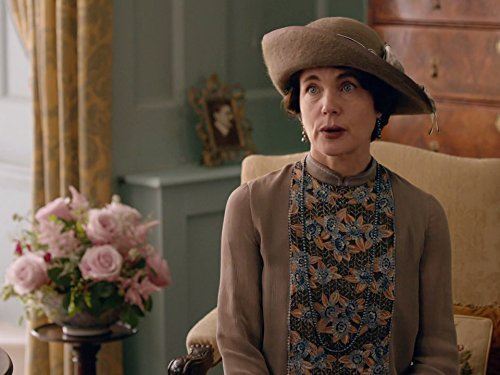
Downton Abbey (2010-2015) generally captures
the essence of the early 20th century, but some viewers felt the use of modern makeup techniques, like heavier foundation and bolder lips, made the characters appear
a touch too "done up"
for the period.
Can We Achieve Historical Hotness?
Here's the secret sauce to a believable period piece:
Casting for Authenticity: Actors with naturally "period-appropriate" features have a head start. Think strong jawlines for mediaeval warriors or delicate features for Jane Austen heroines.
Makeup Marvels: Skilled makeup artists are worth their weight in gold. They can use subtle techniques like highlighting specific facial features or altering brow shapes to create a more historically accurate look.
Hair Flair: Don't underestimate the power of a good period wig! Hair trends change dramatically throughout history, and a carefully crafted hairstyle can instantly transport viewers to another time.

The Art of Balance: Modern Appeal Meets Historical Accuracy
The "iPhone Face" is a fascinating clash between historical accuracy, evolving beauty standards, and the need to keep audiences engaged. While historical accuracy is important, a touch of modern appeal can sometimes be necessary. It's all about finding the sweet spot. Take Marie Antoinette (2006) for instance. While the film takes a more fantastical approach to history, Kirsten Dunst's heavily arched brows, a very modern trend, stood out against the historical setting.
So next time you watch a period drama, become a detective of the "iPhone Face!" It's a fun way to appreciate the art of filmmaking, the ever-evolving human mug, and the constant dance between historical authenticity and modern appeal.


Comments